
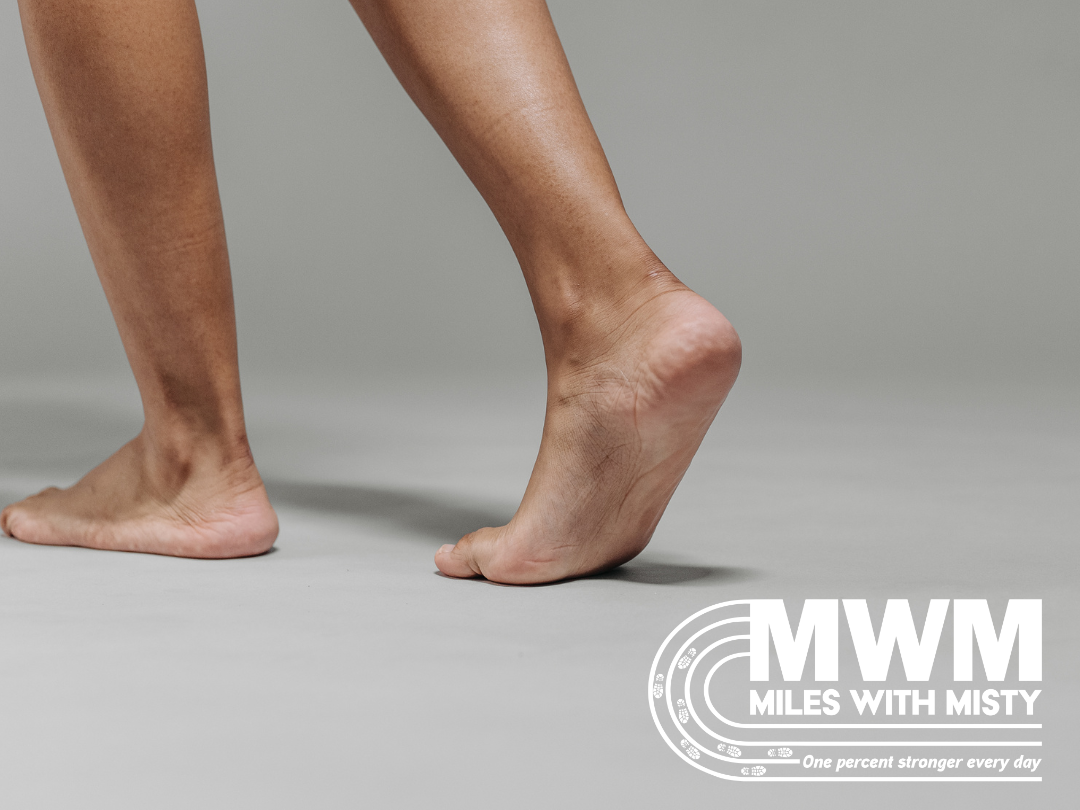
Running is about more than just putting one foot in front of the other. It’s a combination of balance, strength, and coordination—things you might not immediately think about but make a huge difference. All of these rely on proprioception, which is your body’s natural way of knowing where it is in space and how it’s moving. Surprisingly, it’s often overlooked when people create their training routines. If you’re an experienced runner wanting to up your game or someone just starting out and looking to avoid injuries, proprioceptive exercises can be a game-changer.
Why Proprioception Is Important
For runners, proprioception plays a role in every stride. It helps you balance, especially on uneven ground, so you don’t trip. It also improves coordination, letting you move smoothly and efficiently. Injuries? Proprioception helps prevent those too, particularly things like sprains and strains. Plus, it makes you faster and more agile, which is helpful if you’re running trails or need to make quick turns.
Exercises to Try
If you’re new to running, start small:
- Single-Leg Stance: Stand on one leg for about 20–30 seconds. Switch sides. If that’s easy, close your eyes or try standing on something a little unstable like a foam pad. It’s great for building ankle and knee stability.
For those with more experience:
- Bosu Ball Squats: Stand on a Bosu ball (the half-ball you see in gyms) and try squats. It’s a challenge, but it improves your coordination and core strength.
Other fun exercises include ladder drills, which are great for foot speed and agility, and trail running, which keeps you on your toes (literally) while building strength in smaller muscles you don’t normally use.
Recovering from Injuries
If you’re recovering from an injury, proprioceptive exercises can help. Try standing on a wobble board to improve balance and stability. Start with basic movements, and as you heal, you can add squats or even single-leg balancing on the board.
How to Get Started
- Keep It Simple: Don’t overthink it. A few minutes of balancing exercises each day is a great start.
- Be Consistent: Add these exercises to your warm-up or cool-down so they become a habit.
- Challenge Yourself: Tools like balance pads, wobble boards, or even agility ladders can make your routine more interesting.
- Pay Attention: If something feels off or uncomfortable, adjust the exercise to your comfort level.
Proprioception isn’t just for injury recovery or elite athletes. It’s for anyone who wants to run better, safer, and with more confidence. Adding a few simple exercises to your routine could make all the difference in how you perform and how much you enjoy running.
Always in your corner,
Coach Misty
Leave a Reply